

Legal document scanning has become a game-changer for law firms and legal departments. At Scan N More, we’ve seen firsthand how this technology revolutionizes document management and compliance.
By digitizing legal documents, organizations can improve accessibility, reduce storage costs, and enhance security. This blog post explores the best practices and considerations for implementing a robust legal document scanning system.
Why Legal Document Scanning Matters
Legal document scanning has become a necessity in today’s fast-paced legal environment. The shift towards digital document management is driven by the need for efficiency, compliance, and cost-effectiveness.
Streamlining Regulatory Compliance
Legal firms face a complex web of regulations, and non-compliance can lead to severe consequences. Digital document management simplifies adherence to these regulations. The American Bar Association emphasizes the importance of maintaining digital records that meet ethical obligations and reliability standards. Scanned documents allow law firms to quickly respond to audit requests and demonstrate compliance with ease.
Boosting Accessibility and Efficiency
The ability to access critical documents instantly can make or break a case. Automated workflow systems can enhance productivity, reduce errors, and free up time spent on repetitive tasks. Properly indexed and organized scanned documents allow lawyers to retrieve information in seconds (not hours). This speed proves crucial during time-sensitive legal proceedings or when dealing with urgent client requests.
Slashing Storage Costs
Physical document storage is expensive and risky. The transition to digital storage dramatically reduces physical storage needs for law firms. This approach not only cuts costs but also frees up valuable office space for more productive uses. Moreover, digital storage eliminates the risks associated with physical document degradation, loss, or damage.
Fortifying Document Security
In an era where data breaches are increasingly common, document security is paramount. Digital documents offer enhanced security features that physical documents simply can’t match:
- Encryption
- Password protection
- Access control
Additionally, digital systems allow for detailed audit trails, which ensure that every interaction with a document is recorded and traceable.

Legal document scanning transforms paper into pixels and creates a more efficient, secure, and compliant legal practice. As the legal industry continues to evolve, the embrace of digital document management becomes a competitive necessity. The next section will explore the best practices for implementing a robust legal document scanning system.
How to Implement Effective Legal Document Scanning
Legal document scanning requires careful planning and execution. We at Scan N More have refined our approach to ensure the highest quality and efficiency in digitizing legal documents. Here are key strategies to implement an effective legal document scanning system:
Select High-Quality Scanning Equipment
The foundation of a successful document scanning process lies in selecting the right equipment. High-speed scanners with automatic document feeders are essential for handling large volumes of legal documents efficiently. Select scanners that offer at least 600 DPI resolution to capture fine print and intricate details common in legal documents. The Kodak i3500 Scanner (which processes up to 110 pages per minute and has a recommended daily scanning volume of up to 25,000 pages) stands out as an excellent choice for law firms with high-volume scanning needs.

Establish Rigorous Quality Control
Quality control is essential when it comes to legal document scanning. Implement a multi-step verification process to ensure every page is scanned correctly and legibly. This includes visual inspections, automated checks for image quality, and random sampling for detailed review.
Create a Robust Organization System
A well-organized digital filing system is vital for quick retrieval and efficient document management. Create a standardized naming convention and folder structure that aligns with your firm’s practice areas and case management system. You might use a format like “ClientName_CaseNumber_DocumentType_Date” for file names. This consistency will save countless hours in document searches and improve overall productivity.
Utilize Metadata for Enhanced Searchability
Proper metadata tagging significantly improves document management efficiency. Include relevant metadata such as case numbers, document types, dates, and keywords (beyond basic file names). This extra step dramatically improves search functionality.
Prioritize Data Security
Data security is paramount in legal document scanning. Implement robust encryption methods (such as AES-256) to protect sensitive information. Use secure cloud storage solutions with multi-factor authentication to safeguard against unauthorized access. Regular security audits and employee training on data handling best practices further enhance your document security measures.
The implementation of these best practices will transform your legal document scanning process, enhancing efficiency and compliance. As we move forward, it’s equally important to consider the specific security and compliance considerations that come with digital document management in the legal sector.
Safeguarding Legal Data in the Digital Age
Protecting Client Confidentiality
Client confidentiality forms the foundation of legal practice. When digitizing sensitive documents, encryption becomes a necessity. AES-256 encryption stands as the gold standard in data protection. This level of encryption resists breaking with current technology.
Strict access controls complement encryption. Role-based access control (RBAC) ensures employees access only documents relevant to their work. The ABA TechReport 2023 provides insights into the adoption of such technologies in law firms.
Addressing Regulatory Requirements
The legal sector faces numerous regulations. HIPAA compliance matters for firms handling medical records, while GDPR affects those dealing with EU citizens’ data. The California Consumer Privacy Act (CCPA) adds complexity for firms operating in or serving California residents.
Regular compliance audits help meet these requirements. The audit frequency depends on firm size and case nature, but quarterly audits serve as a good baseline. Compliance management software automates much of this process. Tools like Compliance 360 or LogicManager reduce time and effort for audits.
Creating Robust Audit Trails
Audit trails defend against potential legal challenges or data breaches. Every digital document interaction should receive logging, including who accessed it, when, and what changes occurred.
Modern document management systems (DMS) include built-in audit trail features. When selecting a DMS, prioritize those with tamper-evident logs. These systems use blockchain-like technology to maintain audit trail integrity, making them admissible in court if needed.
Selecting Secure Cloud Storage
Cloud storage offers flexibility and scalability, but provider selection matters. Look for providers that offer:
- SOC 2 Type II certification
- HIPAA compliance (if applicable)
- Geo-redundant storage
- End-to-end encryption
Major cloud providers like AWS and Azure meet these criteria, but specialized legal cloud services (such as NetDocuments or iManage) offer additional features tailored to law firms.
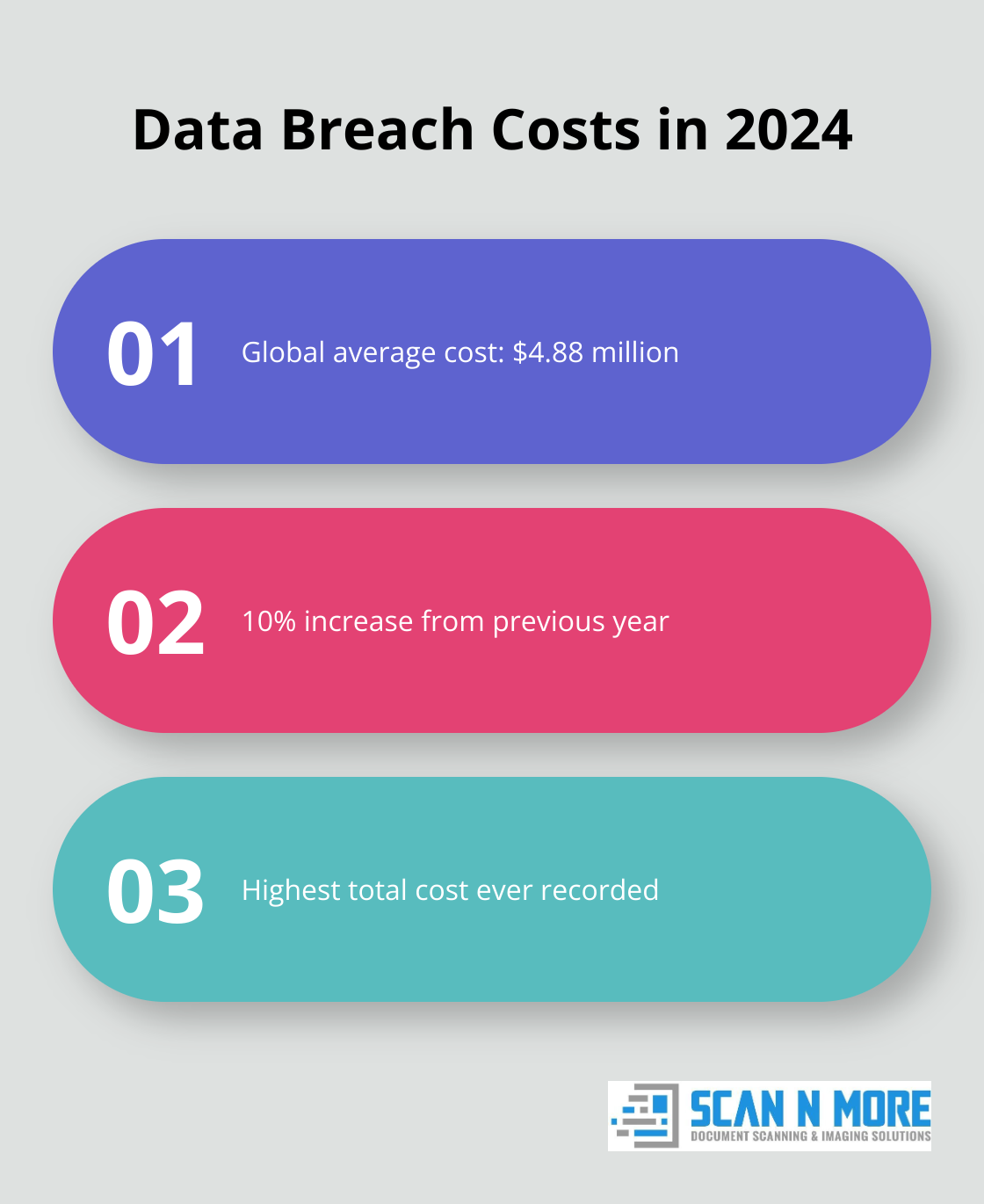
The cheapest option doesn’t always prove most cost-effective. A data breach can cost a law firm millions in damages and lost reputation. IBM’s Cost of a Data Breach Report 2024 stated the global average cost of a data breach reached $4.88 million in 2024, a 10% increase over the previous year and the highest total ever.
These security measures allow law firms to embrace digital document management with confidence. The initial investment in robust security and compliance measures yields benefits in risk mitigation and client trust. As the legal landscape evolves, staying ahead in digital security becomes a competitive advantage. Secure high-speed Legal Copy Services can help ensure confidential documents and private data receive the special handling they require.
Final Thoughts
Legal document scanning transforms the legal industry. It streamlines compliance, improves accessibility, reduces costs, and enhances security for law firms and legal departments. The shift to digital document management meets evolving client and regulatory demands while boosting overall efficiency.
Effective implementation requires careful planning and execution. High-quality equipment, rigorous quality control, and proper organization create a robust digital ecosystem. Scan N More offers expertise in converting paper-based processes to secure digital solutions, ensuring data security and operational efficiency.
The future of legal document management promises further innovation. Artificial intelligence and machine learning will enhance document analysis and retrieval. Blockchain technology may ensure document authenticity and maintain tamper-proof audit trails (a critical aspect of legal compliance). As cyber threats evolve, more sophisticated encryption and access control methods will protect sensitive legal information.