
In the healthcare industry, protecting sensitive patient information is paramount. At Scan N More, we understand the critical importance of HIPAA compliance, especially when it comes to hard drive destruction.
This blog post will explore the HIPAA hard drive destruction requirements, outlining the essential steps healthcare organizations must take to safeguard patient data and maintain regulatory compliance.
Why HIPAA Compliance Matters for Hard Drive Destruction
The Foundation of HIPAA
The Health Insurance Portability and Accountability Act (HIPAA) establishes strict standards for protecting patient health information. HIPAA’s primary objective is to protect sensitive data from unauthorized access, use, or disclosure. This protection becomes particularly important when healthcare organizations must destroy hard drives.
High-Stakes Data Protection in Healthcare
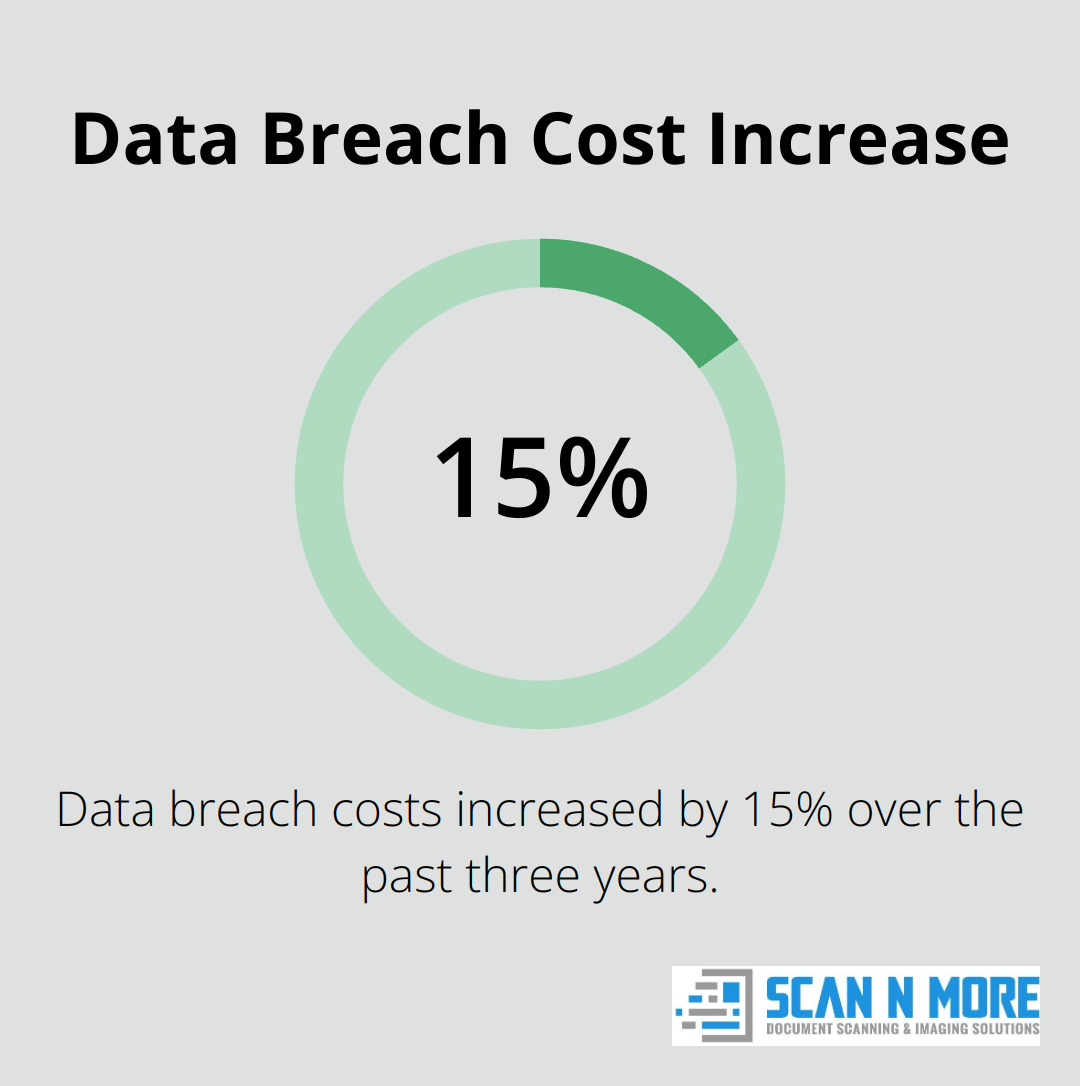
Patient data in the healthcare industry is invaluable. It encompasses everything from medical histories to insurance information, making it a prime target for cybercriminals. A single data breach can lead to catastrophic consequences. The IBM Cost of a Data Breach Report reveals that the global average cost of a data breach reached an all-time high of 4.45 million USD in 2023, which is a 15% increase over the past three years. This significant figure emphasizes the critical need for robust data protection measures.
Hidden Risks of Improper Hard Drive Disposal
Many healthcare organizations underestimate the dangers associated with improper hard drive disposal. Even after file deletion or drive formatting, data recovery remains possible with specialized software. In a healthcare context, this could potentially expose thousands of patient records to misuse.
HIPAA’s Specific Requirements for Data Destruction
HIPAA requires covered entities and their business associates to implement appropriate safeguards to ensure the confidentiality of protected health information (PHI) during disposal. The Department of Health and Human Services outlines three primary methods to render PHI unreadable, indecipherable, and unable to be reconstructed:
- Clearing
- Purging
- Destruction
For hard drives, physical destruction often proves the most secure method. This can involve shredding, disintegrating, pulverizing, or incinerating the device. The National Institute of Standards and Technology (NIST) provides detailed guidelines in their Special Publication 800-88, which serves as a valuable resource for healthcare organizations aiming to comply with HIPAA requirements. This publication includes a sample certificate of sanitization form for documenting an organization’s sanitization activities.
The Importance of Professional Destruction Services
Given the complexities of HIPAA compliance and the risks associated with improper disposal, many healthcare organizations opt for professional destruction services. These specialized providers offer secure, HIPAA-compliant hard drive destruction services. They not only ensure complete data erasure but also provide essential documentation to demonstrate compliance during audits.
As we move forward, we’ll explore the specific HIPAA requirements for hard drive destruction in more detail, providing you with a comprehensive understanding of this critical aspect of healthcare data management.
How to Meet HIPAA Hard Drive Destruction Requirements
HIPAA hard drive destruction requirements demand strict adherence from healthcare organizations to protect patient data and avoid severe penalties. The Department of Health and Human Services (HHS) specifies that covered entities must ensure that protected health information is unreadable, indecipherable, and cannot be reconstructed when disposing of electronic media.
Acceptable Methods of Destruction
Physical destruction often proves the most secure method for hard drives. This can include:

The National Institute of Standards and Technology (NIST) Special Publication 800-88 offers detailed guidelines on media sanitization, including hard drive destruction. This guide assists organizations in making practical sanitization decisions based on the categorization of confidentiality.
Shredding stands out as a popular method due to its effectiveness and efficiency. Industrial-grade shredders reduce hard drives to small particles, which makes data reconstruction nearly impossible. Pulverizing involves crushing the hard drive into a fine powder, while incineration completely melts the drive.
Organizations that handle highly sensitive data might consider combining methods for an extra layer of security. For instance, they could expose the drive to a strong magnetic field (degaussing) followed by physical destruction to ensure thorough data elimination.
Documentation and Record-Keeping Requirements
HIPAA mandates meticulous documentation of the destruction process. Organizations must maintain a destruction log that details:
- Date of destruction
- Method used
- Serial numbers of destroyed devices
- Name and signature of the person who performed the destruction
- Witness signature (if applicable)
Organizations should also keep certificates of destruction provided by third-party services. These documents serve as essential evidence of compliance during audits.
Third-Party Destruction Services and Compliance
Many healthcare organizations choose professional destruction services to ensure HIPAA compliance. When selecting a service provider, it’s important to verify their HIPAA compliance and security measures. Organizations should request detailed information about their destruction methods, employee background checks, and chain of custody procedures.
The responsibility for HIPAA compliance ultimately rests with the healthcare organization, even when using third-party services. Regular audits of these services and open communication about compliance requirements are essential.
Healthcare organizations can effectively meet HIPAA hard drive destruction requirements, protect patient data, and maintain regulatory compliance by following these guidelines and partnering with reputable destruction services. The next section will explore best practices for implementing a comprehensive HIPAA-compliant hard drive destruction policy within your organization.
How to Implement HIPAA-Compliant Hard Drive Destruction
Develop a Detailed Destruction Policy
Create a thorough destruction policy that outlines every step of the process. This policy should specify which devices require destruction, when destruction should occur, and the exact methods to use. Include clear guidelines on how to handle different types of storage media (traditional hard drives, solid-state drives, and USB flash drives).
Your policy should address the chain of custody for devices slated for destruction. Establish a secure storage area for devices awaiting destruction and implement a sign-out system to track who handles the devices at each stage. This level of detail helps prevent unauthorized access and ensures accountability throughout the destruction process.
Provide Comprehensive Staff Training
The most well-crafted policy becomes ineffective if your staff doesn’t understand or follow it. Conduct regular training sessions to educate all employees involved in handling sensitive data or devices. These sessions should cover the importance of data security, the specifics of your destruction policy, and the potential consequences of non-compliance.
Make the training practical by including hands-on demonstrations of proper destruction techniques. If you use a third-party service for hard drive destruction, consider inviting them to participate in training sessions to provide expert insights.
Conduct Regular Audits and Assessments
The implementation of a destruction policy requires ongoing monitoring and improvement. Conduct regular internal audits to ensure that your destruction procedures are followed correctly. These audits should include physical inspections of storage areas, reviews of destruction logs, and spot checks on destroyed devices to verify complete data elimination.
Perform risk assessments at least annually to identify potential vulnerabilities in your destruction process. As technology evolves, new risks may emerge that require updates to your policy. For example, the rise of solid-state drives has necessitated different destruction methods compared to traditional hard drives.
Choose a Reliable Destruction Partner
Selecting a trustworthy partner for hard drive destruction is essential. Look for a company with a proven track record in HIPAA compliance and data security. Scan N More offers secure, flexible, and customized solutions that protect your sensitive data from start to finish. Their expertise in handling sensitive information makes them an ideal partner for healthcare organizations seeking to maintain HIPAA compliance.
Document the Destruction Process
Maintain detailed records of all destruction activities. This documentation should include:

Keep these records in a secure location, as they serve as essential evidence of compliance during audits. Try to retain this documentation for at least six years, in line with HIPAA’s record retention requirements.
For HIPAA-compliant hard drive destruction, it’s crucial to wipe the data before it leaves your hands. The data removed should be unrecoverable, which means manually deleting files from the hard drive isn’t sufficient.
Final Thoughts
HIPAA hard drive destruction requirements demand meticulous attention to detail and stringent adherence to best practices. Healthcare organizations must implement comprehensive policies and provide thorough staff training to reduce the risk of data breaches. Regular audits and assessments help ensure ongoing compliance and protect patient trust.
Professional destruction services offer an effective way to meet HIPAA hard drive destruction requirements. These specialized providers bring expertise and advanced technology that can be challenging to replicate in-house. Healthcare providers can focus on patient care while ensuring their data protection practices meet the highest standards.
Scan N More understands the complexities of HIPAA compliance and offers secure hard drive destruction services. We tailor our solutions to the unique needs of healthcare organizations (while maintaining strict confidentiality). Proper hard drive destruction protects patient privacy, maintains regulatory compliance, and safeguards organizational reputation in the digital healthcare landscape.